
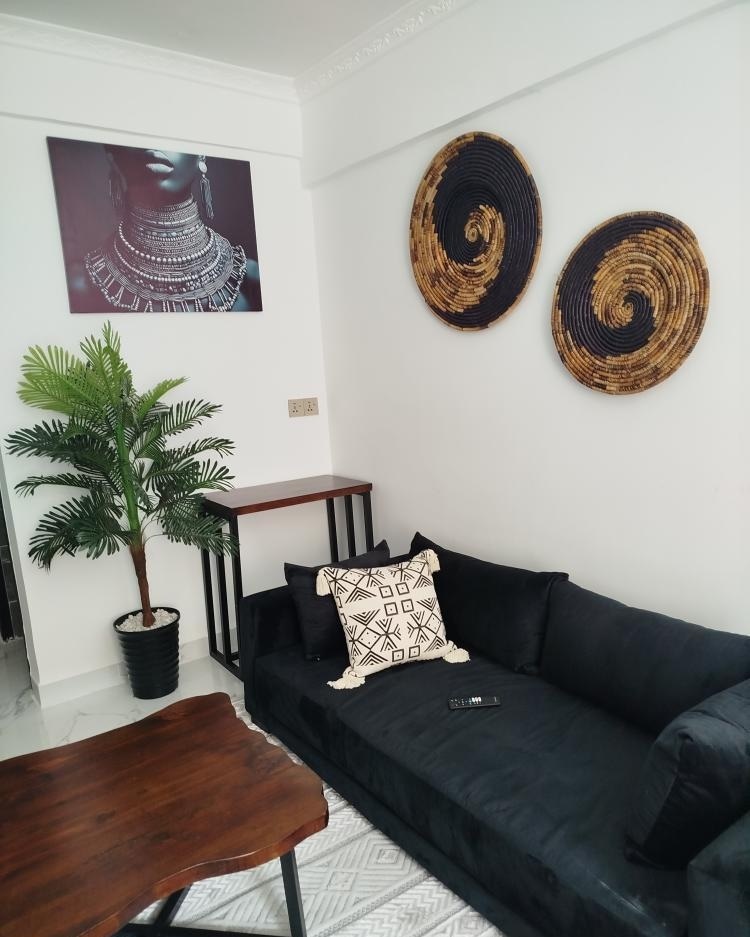
Interior design in 2026 is moving in a clear direction: away from cold, uniform minimalism and toward spaces that feel warmer, more natural, and deeply human. Across homes, hotels, and boutique commercial spaces, designers are rethinking what “modern luxury” actually means.
One of the strongest influences shaping this shift is African craftsmanship.
Not as decoration. Not as a theme. But as a design language built on texture, material honesty, and hand-crafted detail.
From Malawian cane furniture to Rwandan wall baskets and Iringa mats, African-made pieces are no longer niche accents—they are becoming central elements in global interior design direction.
1. Warm, textural minimalism replaces cold modernism
One of the clearest 2026 trends is the evolution of minimalism. Instead of empty white spaces and sharp finishes, interiors are becoming softer and more layered.
African craftsmanship fits naturally into this shift because it introduces texture without visual clutter. Cane weaving, natural fibers, and handcrafted wood create depth while still maintaining simplicity.
Malawian cane chairs, woven baskets, and natural mats are being used not as accessories, but as structural design elements that soften modern architecture.
The result is a style often described as “warm minimalism”—clean, but not cold.
2. Handcrafted furniture becomes the new luxury standard
Luxury in 2026 is no longer defined by polish or uniformity. It is defined by authenticity.
Handcrafted African furniture reflects this change perfectly. Each piece carries visible human input—slight variations in weave, natural material imperfections, and traditional construction methods that cannot be replicated by machines.
Malawian benches, lounge seats, and cane furniture are increasingly featured in hotels, luxury homes, and Airbnbs because they introduce character into spaces that would otherwise feel generic.
In modern design language, uniqueness is becoming more valuable than perfection.
3. Natural materials replace synthetic finishes
A major global shift in interior design is the return to natural materials. Wood, cane, sisal, mudcloth, and woven fibers are replacing synthetic finishes and artificial textures.
African craftsmanship is deeply aligned with this movement. Many traditional African design pieces are created using renewable, locally sourced materials that age beautifully over time.
Iringa mats, Bolga baskets, and cane seating are being used to create interiors that feel grounded and sustainable, rather than manufactured.
This is not just an aesthetic trend—it is a response to sustainability concerns in modern architecture and design.
4. Cultural storytelling becomes part of interior identity
In 2026, interiors are expected to tell a story.
Instead of generic hotel rooms or standard living spaces, designers are creating environments that reflect culture, place, and origin.
African-inspired interiors achieve this through objects that carry meaning. A Rwandan wall basket is not just decoration—it reflects weaving traditions passed through generations. A Malawian cane chair is not just seating—it represents a craft system built on patience and skill.
These elements create identity in a space. They turn interiors into experiences rather than layouts.
5. Earth tones and organic palettes dominate interiors
Color direction in 2026 continues to move toward earth-based tones: sand, clay, terracotta, deep browns, muted greens, and natural beige.
African craftsmanship naturally complements this palette because it is built from organic materials rather than synthetic finishes.
When combined with natural light and woven textures, these tones create interiors that feel calm, balanced, and timeless.
This is especially visible in boutique hotels and high-end residential spaces aiming for a grounded luxury feel.
The direction of 2026 interior design
Across all these trends, one clear direction emerges: interiors are becoming more human again.
Spaces are no longer designed only to impress visually. They are designed to be felt.
African craftsmanship plays a key role in this transformation because it introduces something modern design often lacks—imperfection, story, and soul.
As this influence continues to grow, African-inspired interiors are not just shaping trends for 2026. They are helping redefine what modern interior design actually means.