
A few years ago, luxury hotels followed a predictable formula. Polished marble floors, glass surfaces, neutral palettes, and interiors designed to feel “international” rather than local. The goal was consistency—spaces that could exist anywhere in the world without revealing where they actually were.
But hospitality design is shifting in a different direction.
Today, the most memorable hotels are no longer trying to feel global. They are trying to feel grounded. And increasingly, that grounding is being found in African-inspired interior design.
The experience often begins the moment a guest enters the space. After hours of travel, they expect comfort, but also familiarity in the visual language of modern luxury hotels. Instead, they encounter something more textured and intentional.
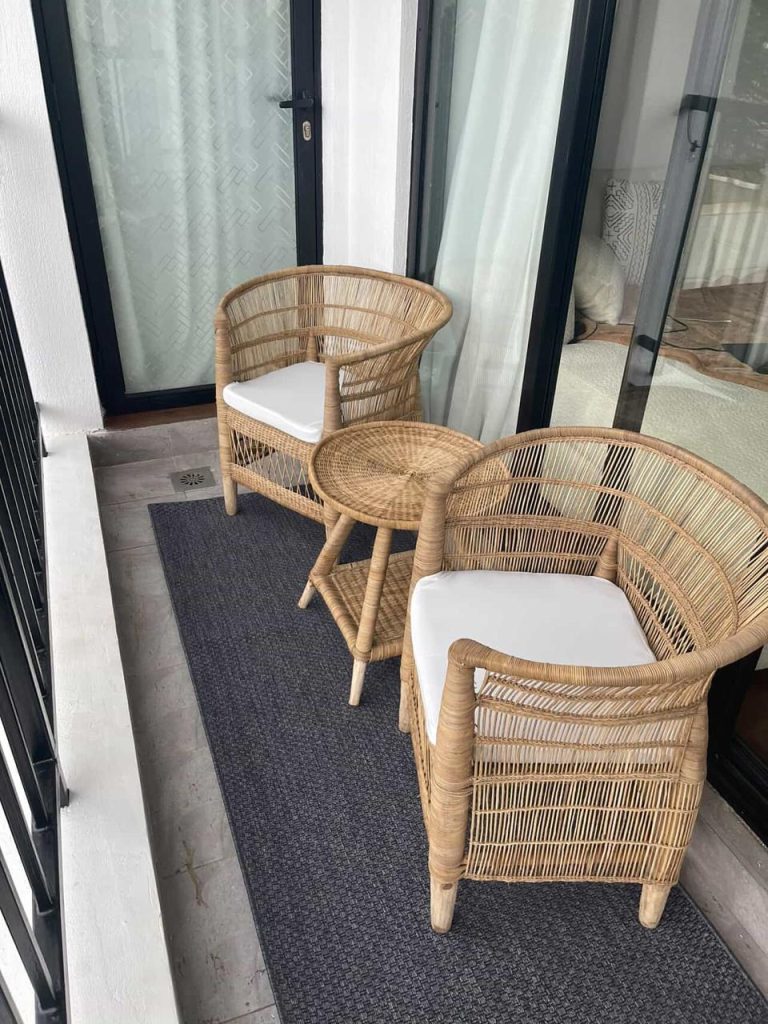
Cane lounge chairs that feel warm rather than manufactured. Handwoven baskets mounted as wall art. Wooden stools shaped by hand, not machines. Lampshades that soften light instead of amplifying it.
At first glance, these details may seem simple. But together, they change the atmosphere of the entire space. Guests often don’t immediately articulate what feels different—they simply slow down. They look longer. They stay present.
That is where the shift begins.
Hotels are beginning to realize something that traditional luxury design often overlooked: people do not remember perfect spaces. They remember emotional ones.
African-inspired interiors introduce that emotional layer through material honesty and craftsmanship. Malawian cane furniture softens sharp architectural lines. Rwandan wall baskets add rhythm and texture to empty walls. Iringa mats bring grounding warmth underfoot. These elements are not decorative additions—they are narrative pieces that shape how a space feels.
Instead of competing with architecture, they complete it. They introduce identity into environments that would otherwise feel interchangeable.
This shift is also being driven by a change in traveler expectations. Modern guests are no longer impressed by spaces that look identical across cities. They are drawn to environments that reflect place, culture, and intention.
A hotel in Nairobi, Zanzibar, or Cape Town is no longer expected to look like a hotel in Dubai or London. In fact, doing so now feels like a missed opportunity.
African-inspired design allows hotels to embrace local identity without sacrificing sophistication. It redefines luxury as something deeper than visual perfection. Luxury becomes atmosphere. It becomes story. It becomes connection.
As you move through these redesigned spaces, the effect becomes more deliberate. A cane lounge chair placed near a large window is no longer just seating—it becomes a pause point. A woven basket arrangement on a corridor wall turns a passage into a visual rhythm. Even subtle elements like lampshades begin to influence mood rather than simply provide light.
The design stops being background. It becomes experience.